
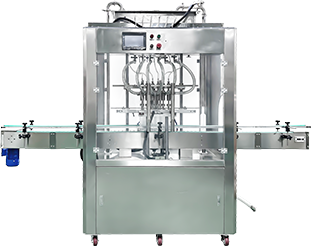

The beverage production industry is experiencing a significant shift toward specialized, high-nutritional-value products. Among these emerging commodities, Roxburgh Rose juice has gained considerable attention due to its exceptionally high vitamin C content and unique flavor profile. To preserve the nutritional integrity of this premium beverage while meeting commercial market demands, production facilities require specialized packaging technology. The Roxburgh Rose juice self-supporting bag four-head juice filling machine represents a critical technological advancement designed specifically to optimize the packaging process for stand-up pouches.
Implementing a dedicated four-head juice filling machine allows manufacturers to balance throughput requirements with precise volumetric control, ensuring consistency across every production batch.
The Evolution of Stand-Up Pouches in Beverage Packaging
Self-supporting bags, commonly referred to as stand-up pouches, have become a preferred packaging format for premium juices. From a consumer perspective, these bags offer convenience, re-sealability, and lightweight portability. For manufacturers, self-supporting bags reduce shipping costs and storage space requirements compared to traditional glass or rigid plastic bottles.
However, filling flexible packaging introduces unique engineering challenges. Unlike rigid containers, self-supporting bags must be supported adequately during the filling cycle to prevent spillage and ensure an accurate fill volume. The integration of a specialized four-head juice filling machine addresses these challenges by utilizing customized pneumatic grips and synchronized filling nozzles that adapt to the flexible nature of the pouches.
Technical Architecture of the Four-Head Juice Filling Machine
The core functionality of the four-head juice filling machine relies on a multi-stage automated process that manages pouch feeding, residual air evacuation, precise liquid dosing, and secure capping or sealing. By utilizing four independent filling nozzles, the machinery multiplies production capacity without exponentially increasing the physical footprint of the production line.
1. Volumetric Dosing and Accuracy
Precision is paramount when packaging high-value liquids like Roxburgh Rose juice. The four-head juice filling machine employs flow meters or piston-driven dosing mechanisms to ensure that each of the four nozzles dispenses the exact required volume. This minimizes product give-away and ensures regulatory compliance regarding net weight labeling.
2. Oxygen Control and Product Shelf Life
Roxburgh Rose juice is highly sensitive to oxidation, which can degrade its vitamin content and alter its natural color. Modern four-head juice filling machine units often incorporate a nitrogen flushing system. Before the liquid is introduced, residual oxygen is evacuated from the self-supporting bag, and an inert gas shield is maintained during the filling process to prolong product shelf life.
3. Sanitary Design and CIP Integration
Food safety regulations necessitate strict hygienic standards. High-quality four-head juice filling machine systems are constructed from high-grade stainless steel (such as SUS304 or SUS316L) to resist corrosion from the natural acidity of fruit juices. Furthermore, these machines feature Clean-in-Place (CIP) compatibility, allowing automated sanitization cycles to run through the fluid pathways without dismantling the entire assembly.
Optimizing Production Efficiency
Choosing a four-head configuration provides a strategic middle ground for small-to-medium enterprises (SMEs) and expanding industrial juice producers. A single-head or two-head machine may limit daily output, while a fully rotary multi-head system requires substantial capital investment and complex maintenance protocols.
The four-head juice filling machine offers a scalable solution, delivering reliable output speeds that align with standard downstream labeling and secondary packaging operations. The automated coordination of four nozzles ensures that the liquid delivery system operates smoothly, reducing mechanical wear and optimizing energy consumption during continuous operation.
Conclusion
The market for functional health beverages requires robust technological support to transition from niche formulations to mainstream retail success. Utilizing a specialized Roxburgh Rose juice self-supporting bag four-head juice filling machine ensures that the delicate properties of the juice are preserved from the mixing tank to the final pouch. By investing in precise, sanitary, and efficient four-head juice filling machine technology, manufacturers can confidently scale their operations to meet the growing consumer demand for innovative flexible packaging designs.